Bay Window Structural Repairs in Kent
Kent Based Structural Repair Experts
Fast & Effective Structural Repairs for Bay WindowsKent Based Structural Repair Experts
Fast & Effective Structural Repairs for Bay Windows
Bay windows are the first thing that fails on a Kent period property, and the last thing anyone wants to lose.
Action Wall Ties repair failing bay window masonry across Kent. Over twenty years of realigning, reinforcing and saving bays that other contractors said needed knocking down.
A bay window doesn’t just fall over one morning. It leans, spreads and cracks for years first. Kent properties are many and varied and many suffered damage during war, were just badly installed/designed or suffer from inferior quality window replacements that can’t support the structure.
Signs worth acting on:

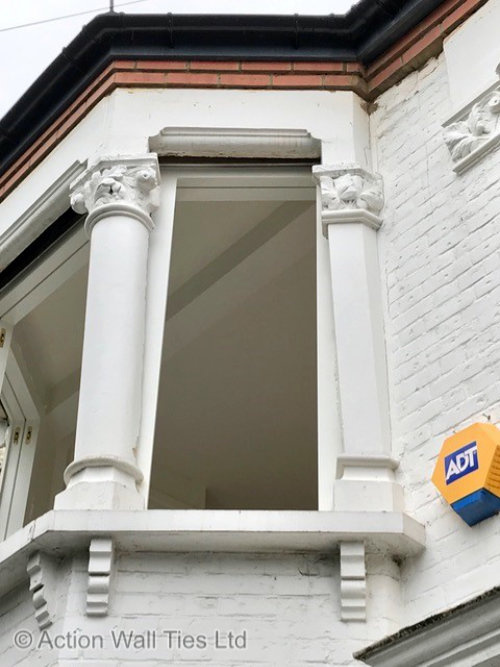

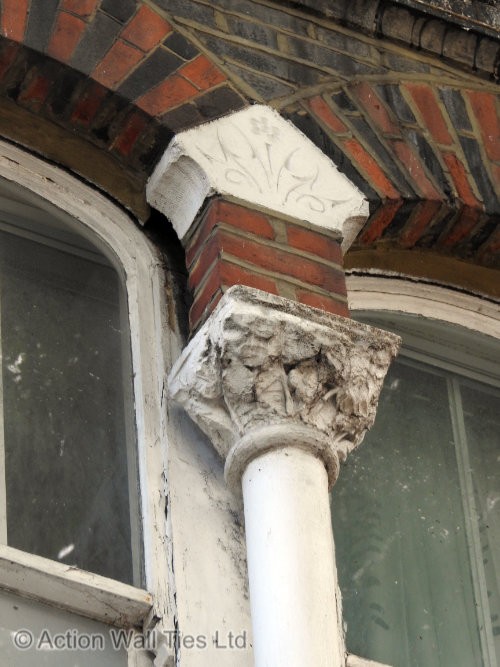
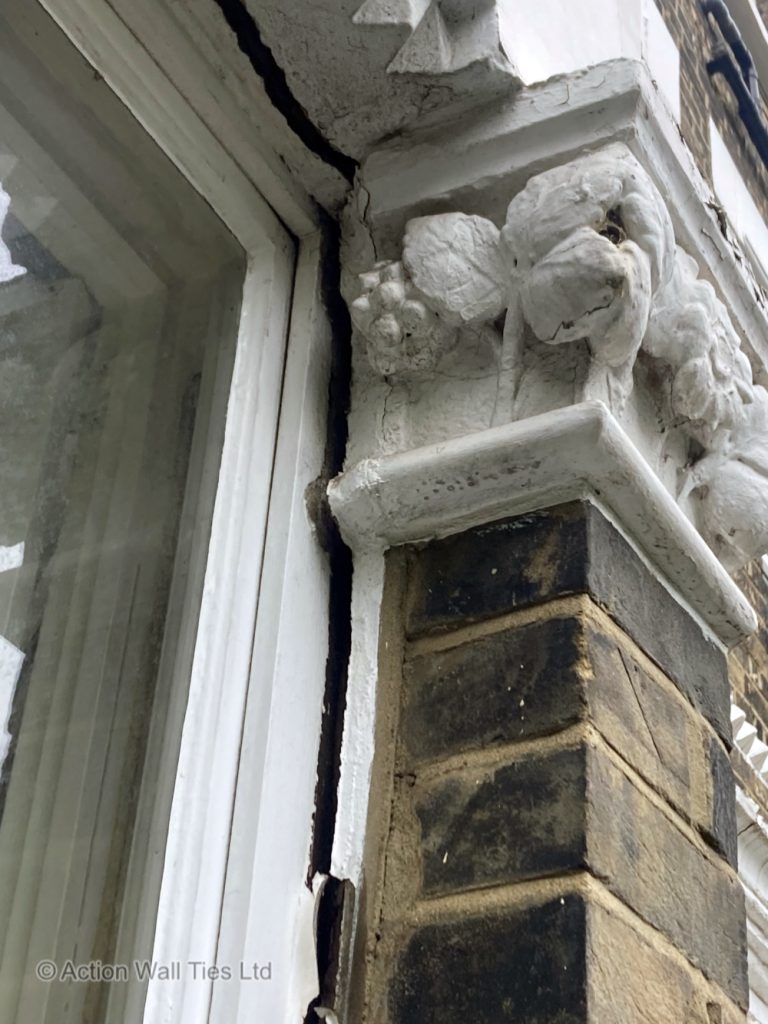
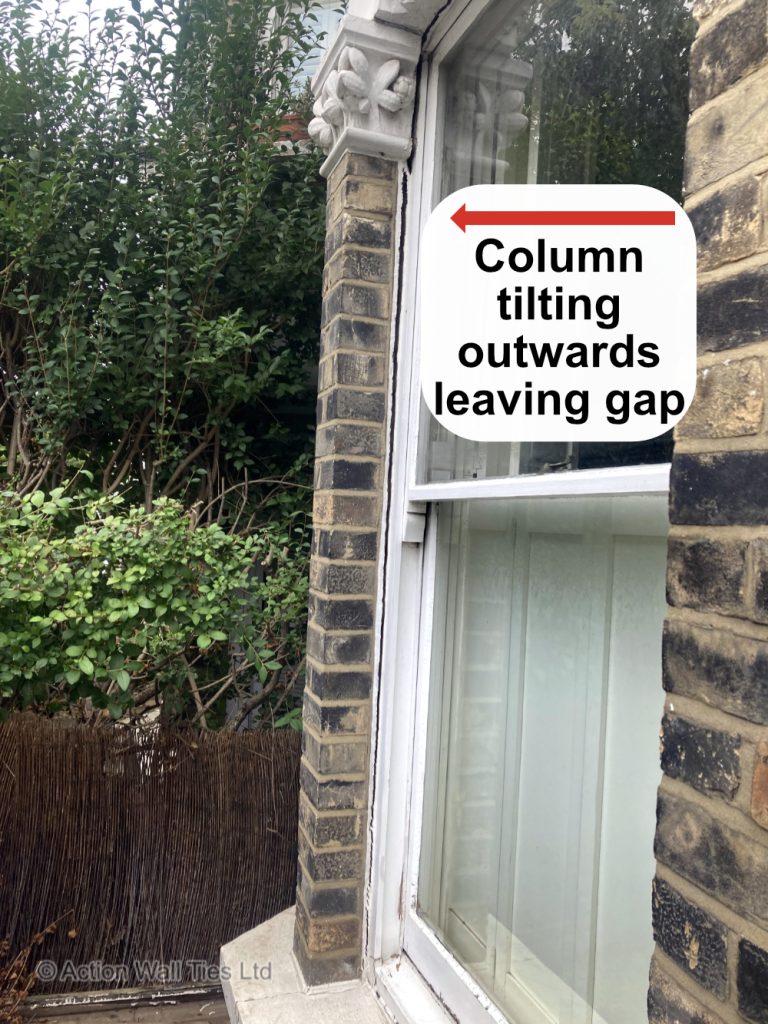
Gillingham, Tunbridge Wells, Canterbury, Folkestone, Maidstone, Dartford, Whitstable, Herne Bay, Faversham, Thanet – the Victorian and Edwardian terraces on these streets throw up this list week after week.
Because most of them were never properly built in the first place.
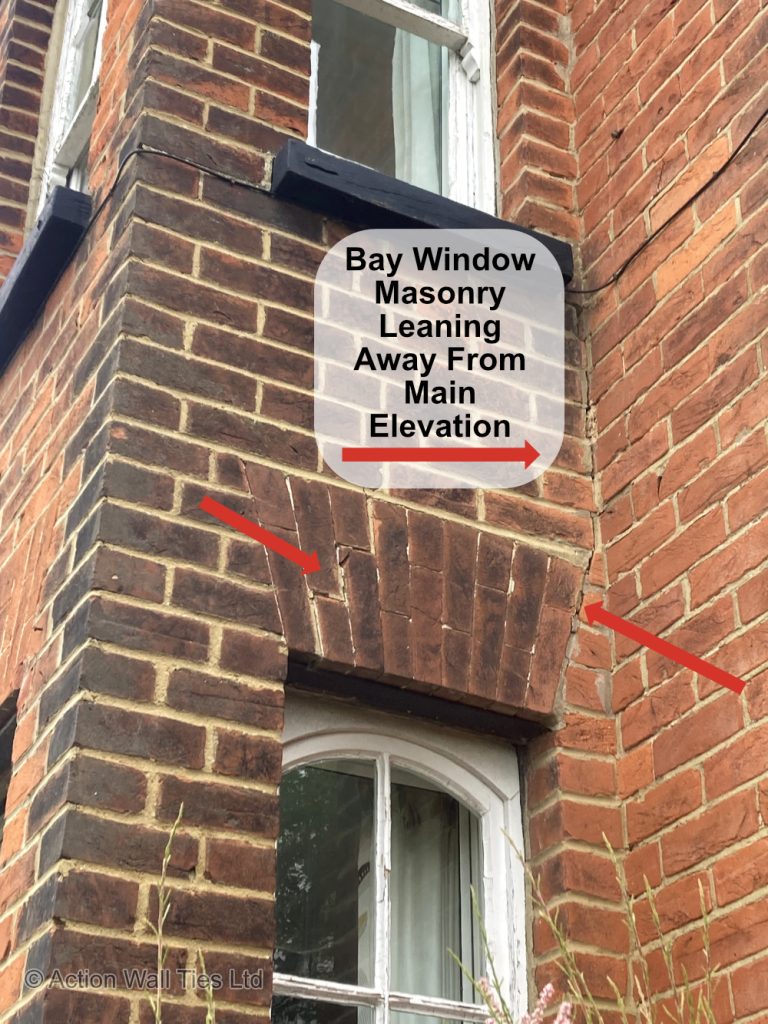
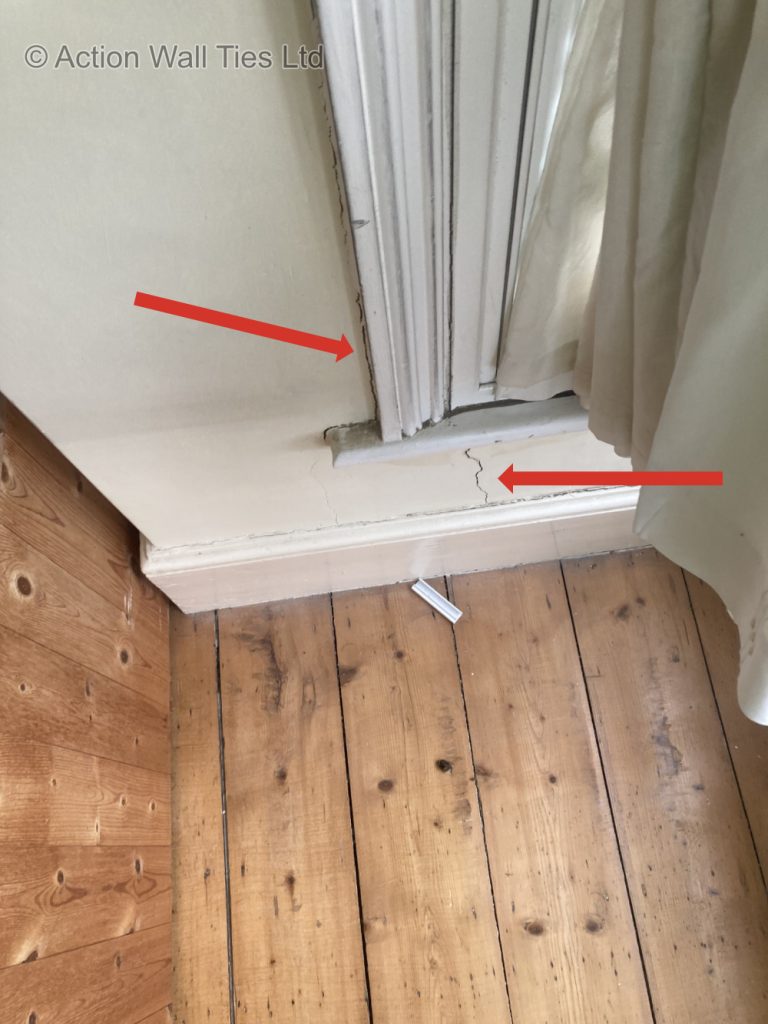
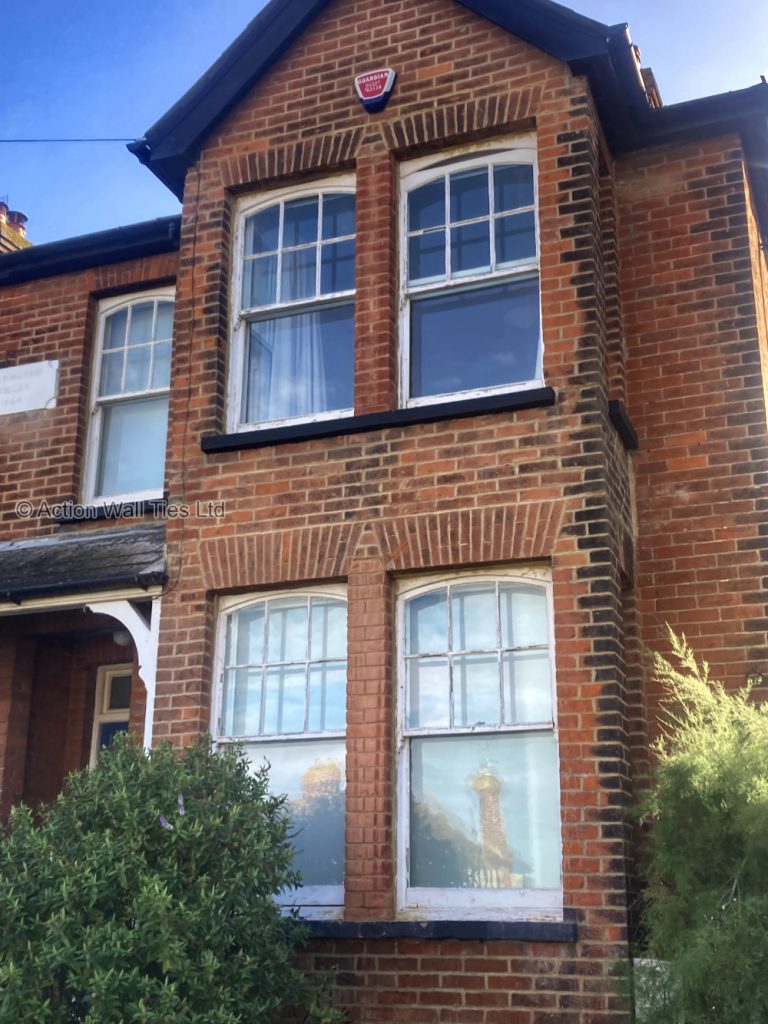
AWT surveyed this leaning two-storey bay in Kent and found the “support column” was, in plain terms, a stack of bricks. No reinforcement. No proper connection to the main structure. The column had simply buckled under the load it was carrying.
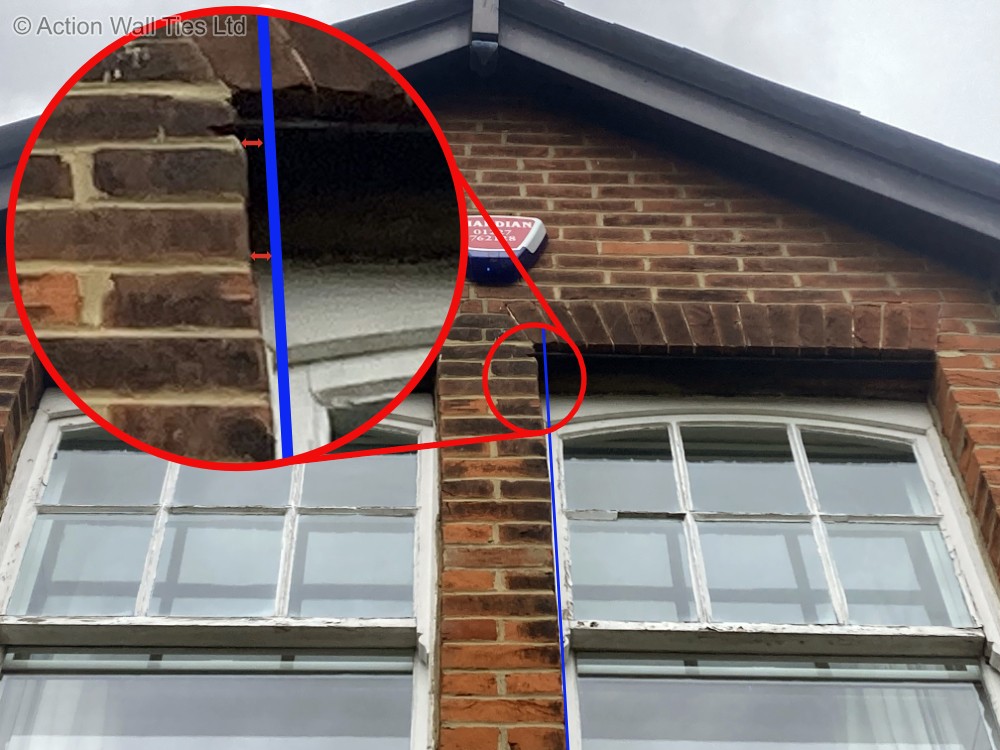
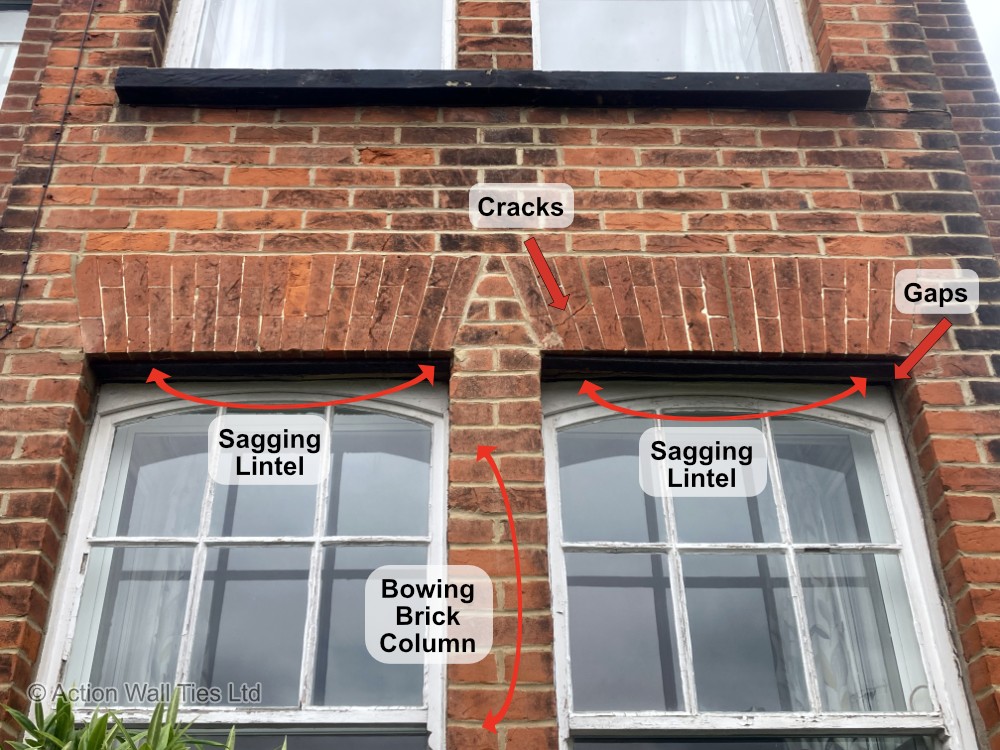
That is not unusual. Victorian and Edwardian builders gave bays shallower foundations than the main house and left the columns unrestrained. On many Victorian and Edwardian properties, the columns are often single brick – less depth of masonry than solid brickwork, carrying two storeys.
Then the arch bars go. Kent’s older bays sit on mild steel arch bars, and rust occupies several times the volume of the metal it came from. That expansion lifts and bows the walls and cracks the plaster inside.
Kent’s coastal properties can deteriorate faster. Salt air across Whitstable, Herne Bay, Thanet, Deal and Folkestone accelerates the corrosion of every embedded steel component in the wall.
This is the question worth asking before you pay anyone.
When a bay column leans outward, a gap opens. The obvious move is to fill the gap with fresh mortar and repaint. AWT sees the result constantly – the structure keeps moving, the mortar cracks again, and the lintels and brickwork above take further damage in the meantime.
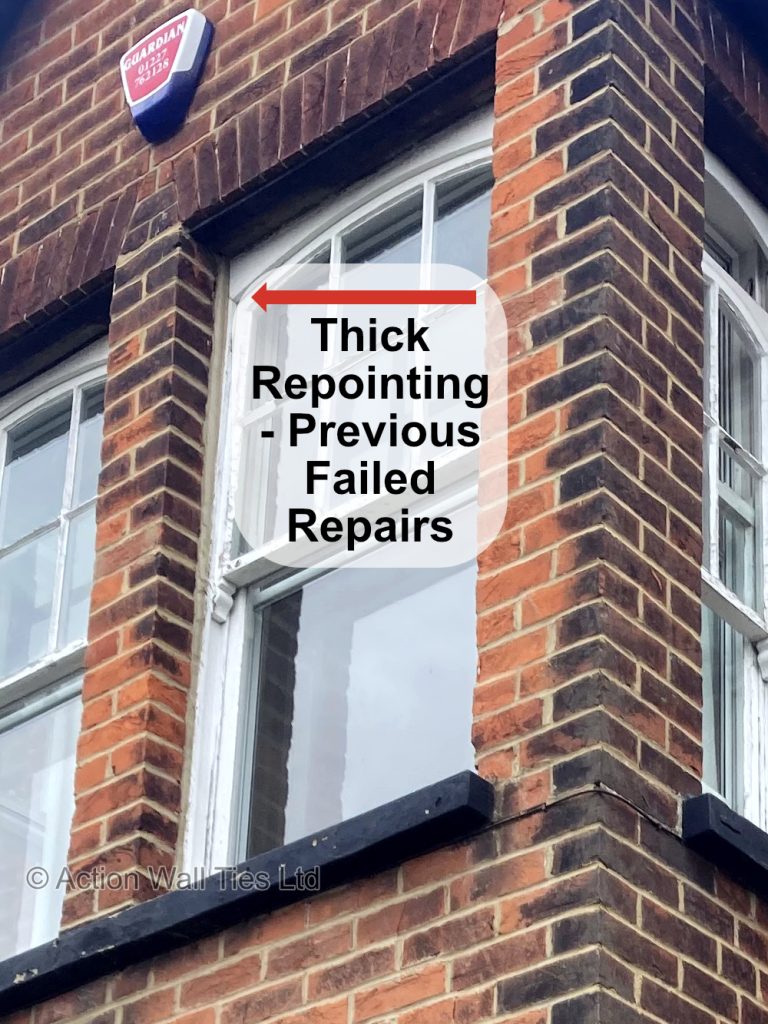


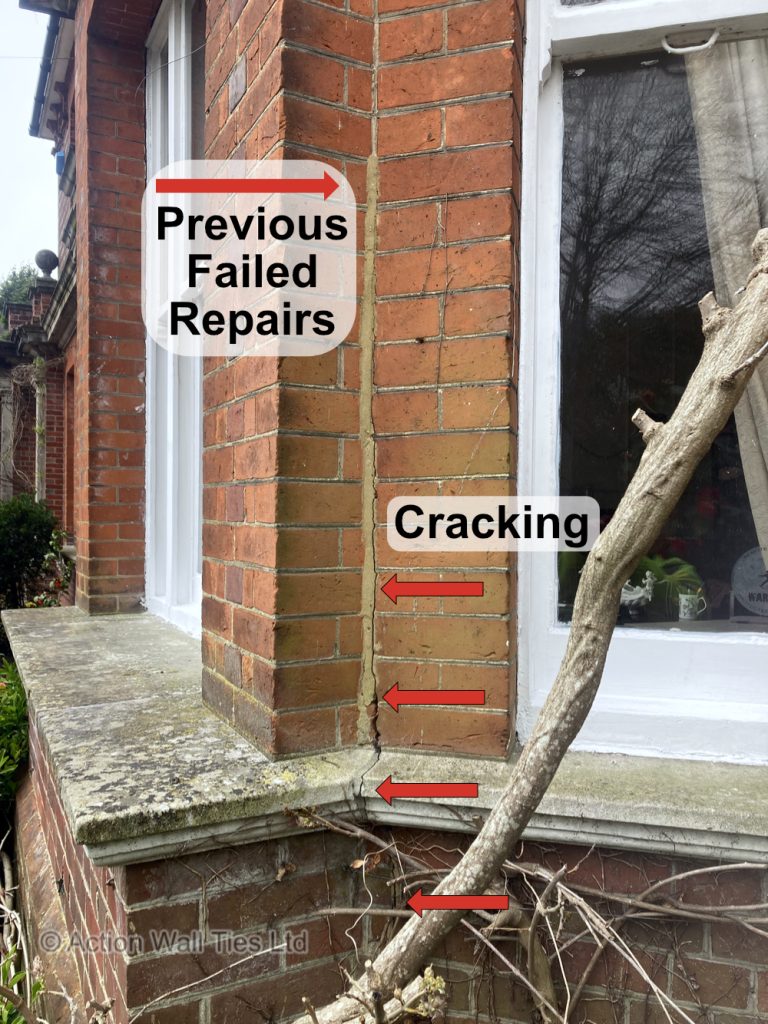
Repointing cannot repair a structural defect. Nor can rebuilding the columns, if the underlying restraint problem is not addressed. The column will fail again.
Realign the masonry, then reinforce it, preserving the original bricks and stonework.
A Whitstable Edwardian property came to AWT with a two-storey cavity-walled bay bowing badly enough to risk collapse. The survey found three causes at once: ageing materials, inadequate restraint of the cavity walls, and corroding mild steel arch bars.

The repair included:
No fixings visible afterwards. No period features lost. The rooms stayed furnished and the windows stayed in – most of the work happened from outside.
AWT’s custom drilling rigs place fixings precisely within the brickwork
Days, not weeks – which is the whole point.
A period property owner was told by traditional contractors that their leaning first-floor bay and gable needed deconstructing and rebuilding from the bay column up to roof level. Several weeks of work. Rooms vacated. Internal plaster and finishes reinstated afterwards.
AWT did it in three days. Most of it from outside. Nobody moved out.
Installing fixings within the masonry to form continuous beams redistributes the upper-storey loads and restrains the diagonal cracking and bulging. It preserves the appearance of the property, and it preserves the market value.
All of them. Bay window work comes up most often here:
A Canterbury base puts an AWT surveyor at a Kent property faster than a London-based specialist can manage.
Every type Kent has to offer:
Homeowners, insurance companies, structural engineers, loss adjusters, architects and project managers. If your insurer or engineer is already involved, AWT will work alongside them.
D. Rogers, a homeowner in Thanet, described the finished result as amazing – the building safe again and looking grand, and everyone they dealt with professional, punctual and helpful. They recommend AWT without reservation.
AWT are WTIF registered, work to BS EN ISO 9001 standards, hold Constructionline and SSIP accreditation, and offer a 25-year warranty.
Send photos of the cracking to enquiries@actionwallties.co.uk with your address, or call 01227 721255. In many cases AWT can give free advice from photographs alone, without a site visit – and the survey itself is free and carries no obligation.
To see some examples of our work and read our customer stories CLICK HERE